Tracking the information about your manuscript
Communicate with the editorial office
Query manuscript payment status Edit officeCollecting, editing, reviewing and other affairs offices
Managing manuscripts
Managing author information and external review Expert Information Expert officeOnline Review
Online Communication with the Editorial Department
For authors
Downloads
Page Views
About the Journal
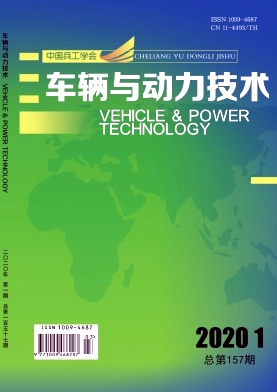
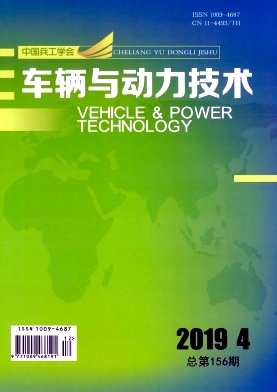
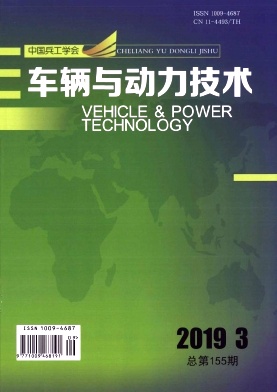
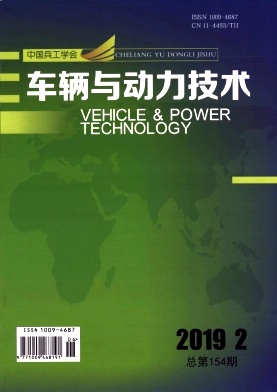
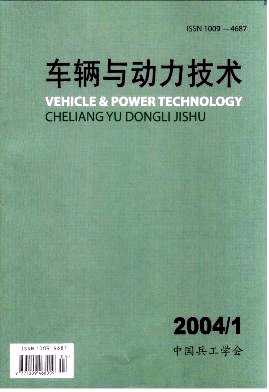
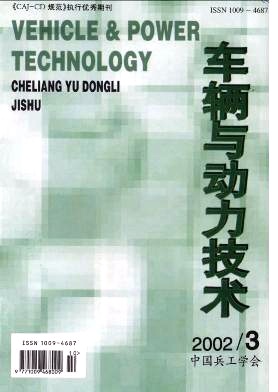
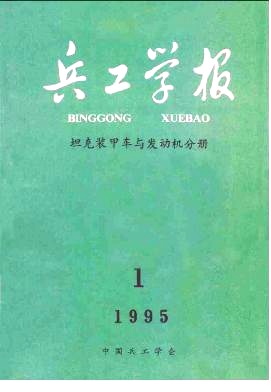
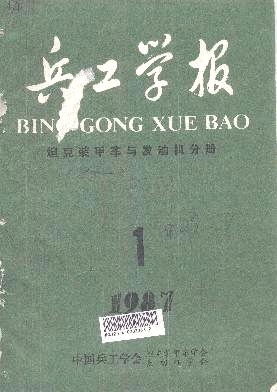
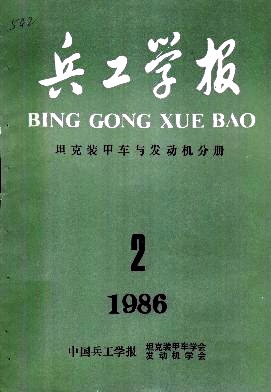
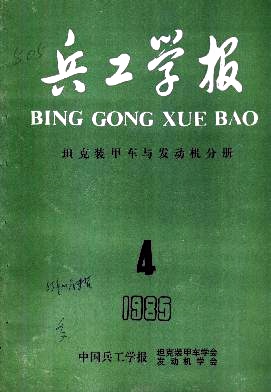
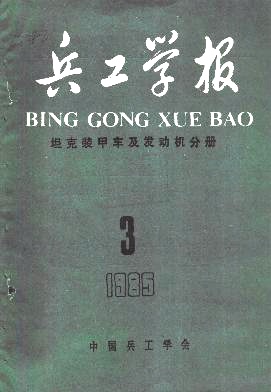
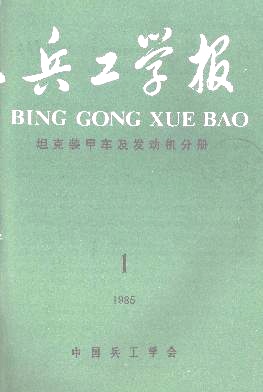
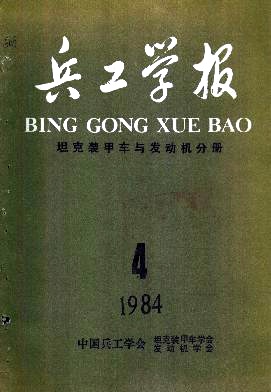
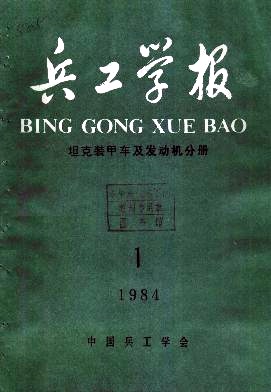
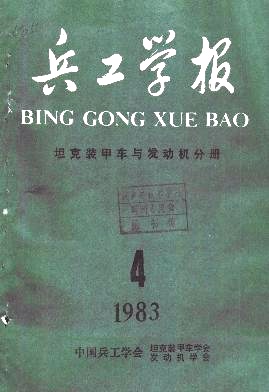
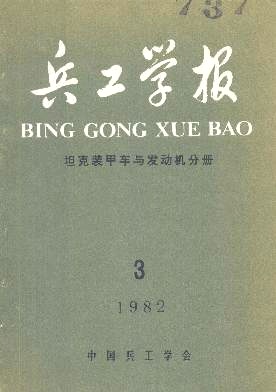
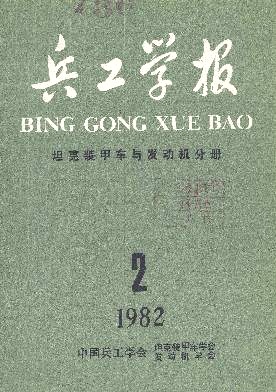
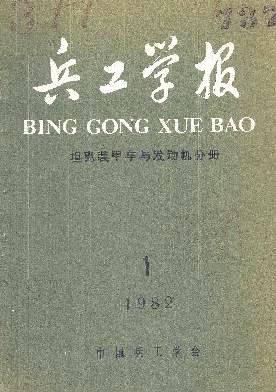
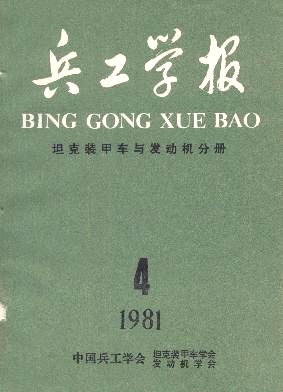
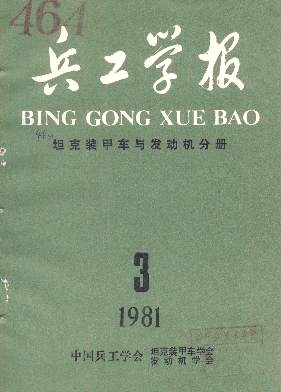
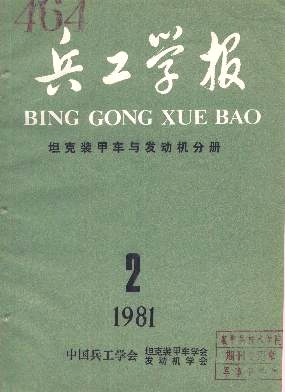
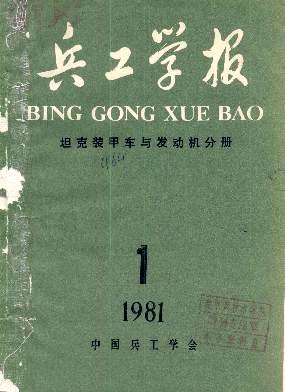
Vehicle & Power Technology (VPT) is a peer‑reviewed academic journal founded in April 1979 and published quarterly. Originally entitled Acta Armamentarii, Section of Tanks, Armored Vehicles and Engines, the journal adopted its current name Vehicle & Power Technology in 2002. It is sponsored by the China Ordnance Society and supervised by the China Association for Science and Technology. Vehicle & Power Technology is committed to advancing the field by closely tracking cutting‑edge scientific research and major national projects. A key priority of the journal is to showcase groundbreaking achievements that represent China’s leading level in vehicle and power technology, with a special focus on special‑purpose vehicles and their power systems.
The journal is steered by a highly distinguished editorial team. The Editor‑in‑Chief, Professor XI Junqiang, is a renowned expert recognized by the National High‑level Talents Special Support Program as a Leading Scientific and Technological Innovation Talent. The Deputy Editor‑in‑Chief, DU Zhiqi, serves as the Chief Scientist for Tanks and Armored Vehicles and is a Council Member of the 9th China Ordnance Society.
Under their leadership, the editorial board ensures the journal maintains the highest standards of academic excellence and relevance. The editorial team is composed of highly qualified professionals, guaranteeing a rigorous peer review process and the publication of high‑impact research that drives the industry forward. The high caliber of the editorial team underpins sustained academic quality and core competitiveness of the journal.
Electromagnetic Field Simulation and Performance Improvement of PMSM Based on ANSYS Maxwell+Optislang
XI Heyuan;BAI Enjun;The stability of a motor during operation determines its service life and working capability under different conditions, which is mainly determined by the average output torque, no-load cogging torque, and torque ripple. Taking a 4. 5 kW low-speed permanent magnet synchronous motor(PMSM) for new energy vehicle drive as an example, this paper conducts numerical calculations on the main dimensions and electromagnetic parameters of the rotor, stator, and other structures. The RMxprt module in ANSYS Electronics Desktop(AEDT) is used to model the main components of the motor. ANSYS Maxwell software is adopted to perform finite element electromagnetic performance simulation analysis under no-load and load conditions. Finally, OptiSlang software is applied to complete parametric modeling and sensitivity analysis of the motor's structural dimensions. With the goal of reducing cogging torque and torque ripple while ensuring the average output torque, the electromagnetic performance of the motor is improved. The results show that under the condition of maintaining the average output torque, the cogging torque is reduced by 62. 5%, the torque ripple is reduced by 37%, and the electromagnetic performance of the motor is significantly improved.
Static Comfort Analysis of Car Seats Based on RAMSIS
WANG Ziming;HUAI Chongfei;ZHANG Hao;In automotive design, people are increasingly emphasizing the seat comfort. To meet the requirement of static seat comfort, a three-dimensional model of the seat is created based on a certain vehicle model, and a manikin is created by RAMSIS. The static comfort analysis and field of view verification of the manikin during driving, braking, and shifting posture are conducted. Problems are analyzed and reasonable suggestions are proposed. This provides a theoretical reference for the car seat comfort design.
Dynamic Characteristics of Cartridge Relief Valve under the Coupling Effect of Foundation Vibration and System Flow Pulsation
PANG Huiren;QIN Zhiyong;The Research and Procurement Bureau of the Army Armament Department;The essence of hydraulic valve lies in the valve port and its changing law. The basic vibration of the valve body and the flow pulsation of the hydraulic system add inertial force to the valve core, moving components and liquid flow, which makes the dynamic behavior of the valve port and the performance of the valve change accordingly. Therefore, the dynamic characteristics of the cartridge relief valve under basic vibration need to be studied. In this paper, the AMEsim model of the cartridge relief valve is established and verified. On this basics, the influence of different frequency foundation vibration on the dynamic characteristics of the cartridge relief valve under maximum pressure is obtained. Furthermore, the dynamic performance of the cartridge valve under different spool mass and spring stiffness combinations is compared. Finally, the model of gear pump is used to simulate the flow pulsation of hydraulic system, and the dynamic characteristics of cartridge relief valve under the coupling action of foundation vibration and system flow pulsation are proved.
Speed Control of Hydrostatic Drive System of General Chassis Vehicle in Target Area Based on AMESim Simulink Combined Simulation
JIA Yushan;SUN Liying;Chinese PLA Unit 92228;This paper analyzes the control loop form of the hydrostatic drive system of the universal all terrain tracked chassis vehicle in the target area. In order to better control the driving state of the chassis vehicle, the speed control of the pump controlled motor in the hydrostatic drive system is mainly studied. The hydraulic model of the pump-controlled hydraulic motor operating system is established, and the optimized fuzzy PID control of the pump-controlled hydraulic motor speed control is established through Matlab/Simulink, and then the joint simulation is carried out by setting the corresponding interface. Compare and analyze the simulation results of the hydrostatic drive system under different operating conditions, and verify the operating performance of the hydrostatic drive system of the new target-area general-purpose chassis vehicle designed by ourselves, so as to facilitate the subsequent development on this basis.
Performance Optimization of Intelligent Air Handling System for Commercial Vehicle braking System
ZHANG Jing;PANG Jianzhong;ZHAO Jian;KANG Gong;REN Pengju;ZHANG Jiuxiang;WANG Weiguang;CUI Qiming;To enhance the braking efficiency of commercial vehicles, reduce the response time of the braking system, optimize the air drying effect, and facilitate the layout of chassis space, the air handling system has been optimized. Through an in-depth analysis of the technical scheme, performance indices, working principles, and vehicle matching principles of commercial vehicle air handling systems, this study focuses on the impact of core indicators such as intelligent air handling unit efficiency, air storage volume, and air regeneration efficiency on braking performance. Intelligent pressure control technology was employed to refine the design, which was subsequently validated through road tests. The results indicate that air regeneration efficiency has been improved, achieving precise control and efficient utilization of air. A reasonable configuration of air storage volume ensures stable braking efficiency; the response time has been shortened, the braking distance reduced, and the overall braking performance of the vehicle significantly enhanced.
































Strength Analysis and Lightweight Design of Side Beam Frame
TANG Fuyu;BAI Enjun;Aiming at the strength and lightweight issues of the side beam frame structure, combined with finite element analysis, static analysis was conducted on the frame under various working conditions to verify the static strength of the frame. The central composite design scheme(CCD) was adopted, taking each transverse and longitudinal beam of the frame as the input parameter, and the response surface was constructed. The frame was optimized by multi-objective algorithm and the response points were verified. The total mass of the optimized frame was reduced by 2. 6% compared with that before optimization, and the maximum stress under dangerous working conditions decreased by 6. 4%, providing an effective lightweight method.
[Downloads: 0 ] [Citations: 0 ] [Reads: 2 ] HTML PDF Cite this article
Analysis of Dynamic Characteristics of Cracked Helical Gear Pairs in Electric Vehicle Reducers
LI Dongsheng;ZHANG Hongyuan;WANG He;SUN Hongyun;To investigate the vibration characteristics of helical gear pairs with root crack faults in electric vehicle reducers, a dynamic model incorporating bending and torque effects was developed, using the high-speed helical gear of a specific pure electric vehicle reducer as the research object. The time-varying meshing stiffness of both healthy and cracked helical gears was calculated using an improved potential energy method. The dynamic behavior of the system was solved numerically using the variablestep Runge-Kutta method, and the dynamic responses under various parameters were obtained. The results indicate that the presence of root cracks introduces fault-related periodic variations in the system under fixed operating conditions, with fault characteristics becoming more pronounced as crack depth increases. The root crack not only induces periodic impacts and sideband modulation, leading to a transition from stable periodic motion to instability, but also exhibits a positive correlation between crack depth and fault severity. As the crack deepens, fault characteristics are significantly amplified, resulting in a notable decline in system stability.
[Downloads: 0 ] [Citations: 0 ] [Reads: 2 ] HTML PDF Cite this article
Development of Vehicle Diagnostic System Based on AUTOSAR Architecture
ZHOU Qiuzhong;AI Xiangbo;As the complexity of automotive electronic systems continues to increase, on-board diagnostic systems play an increasingly vital role in ensuring vehicle safety and reliability. As an industry standard, Automotive Open System Architecture(AUTOSAR ) provides a unified and modular solution for the development of diagnostic functions. Based on the AUTOSAR architecture, this paper adopts the Infineon TC275 chip as the core controller and utilizes the ISOLAR-AB tool to configure and implement the diagnostic communication manager (DCM) and diagnostic event manager (DEM). The development covers functions such as diagnostic session control, security access, data identifier read/write, and fault code processing. Finally, diagnostic services are tested and validated using the BUSMASTER host computer software. The results demonstrate that the developed diagnostic modules comply with the UDS protocol specifications and can correctly respond to various diagnostic requests, providing a practical reference for the standardized development of ECU diagnostic functions.
[Downloads: 50 ] [Citations: 0 ] [Reads: 2 ] HTML PDF Cite this article
Research on the Optimization Algorithm for In-vehicle Network Time-Aware Shaping Scheduling
Liu Chunling;Liu Jingwei;The rapid development of industrial automation and autonomous driving has imposed stricter requirements on the real-time performance and reliability of Time-Sensitive Networking (TSN). This paper proposes an innovative multi-queue buffering scheduling algorithm to address the delay jitter issues in traditional Time-Aware Shaper (TAS) when handling multiple time-sensitive flows. By modeling the scheduling problem as a classic bin-packing problem and establishing an integer linear programming model, the algorithm achieves optimal allocation of time slots. Experimental results demonstrate that compared with traditional TAS, the proposed algorithm can reduce delay jitter by approximately 30% while improving network resource utilization by over 15%, providing more reliable transmission guarantees for real-time applications such as in-vehicle networks and industrial control systems.
[Downloads: 20 ] [Citations: 0 ] [Reads: 2 ] HTML PDF Cite this article
Simulation and Analysis of Integrated Control Technology for a Special Vehicle’s Semi-active Suspension
GAO Jie;JIA Jinfeng;PENG Zhizhao;ZHANG Jian;Focusing on an 11-degree-of-freedom (11-DOF) dynamic model of a semi-active suspension system for a specific 8×8 special vehicle, a coordinated control strategy for the full-vehicle suspension is proposed. Based on the skyhook control theory, this strategy simultaneously addresses vibrations in the vertical, pitch, and roll directions. An 8-wheel random road profile model is constructed and used as the excitation input for simulations. The simulation results demonstrate that at a speed of 60 km/h on a Class D road, compared to a passive suspension system, the adoption of eight independent vertical on-off controllers results in a 22.4% reduction in the vehicle body's vertical acceleration, a 77.9% reduction in the pitch angular velocity, and a 27.3% reduction in the roll angular velocity. This significantly enhances the vehicle's ride comfort.
[Downloads: 127 ] [Citations: 0 ] [Reads: 3 ] HTML PDF Cite this article
The state-of-the-art of Hybrid Electric Vehicle
HE Hong-wen,ZHU Jian-guang,LI jian (BIT EV Center of Engineering and technology,Beijing 100081,China)It is one of the main topics of vehicle industry to reduce the air pollution and better the situation of oil shortage.In this paper,the development background of Hybrid electric vehicle(HEV)is described,and the key technology of HEV is presented.The developing tendency of HEV is discussed.
Study of the EV Battery Pack Reliability and Asymmetry
WANG Zhenpo,SUN Fengchun(School of Mechanical & Vehicular Engineering,Beijing Institute of Technology,Beijing100081, China)Through the road test of BJD6100EV which is developed by Beijing Institute of Technology and Beijing PublicTraffic Co.in Beijing,the EV battery pack characteristics are studied.The basic model for the batteries is established for analyzing the basic rules for analyzing the basic rules of charge and discharge.The battery pack reliability and the EV performance influences are mainly discussed,which are caused by single battery inconsistentness of the pack,especially,the solving method.
Analysis of the Energy Computation And Influence Factors of Electric Vehicle Range
XU Gui-bao, WANG Zhen-po, ZHANG Cheng-ning (School of Mechanical and Vehicular Engineering,Beijing Institute of Technology,Beijing 100081,China)Based on the principle that output and consumed energy of the battery set on EV are egual. The computation method of EV range is analyzed and verified by the experiments of HFF6112GK50-EV range. By the farther study on the experiments data, the EV battery set usage evaluation and influence factors of EV range are finally analyzed and some valuable conelusions are obtained.
Research of Automobile Suspension Systems Dynamics Simulation
LI Jun 1, MENG Hong 1, ZHANG Hong kang 1, GU Zhong li 2 (1 China North System Engineering Institute,Beijing 100089,China;2.School of Vehicle & Transportation Engineering,Beijing Institute of Technology,Beijing 100081,China)In this paper,by applying the mechanical system simulation software ADAMS,the full vehicle multi-body model was created,and the vehicle dynamic simulation was carried out.In the mean time,the effects of suspension geometric parameters on steady-state steering characteristics were studied.
Simulation and Analysis on Vehicular Power Performance with Cruise
WANG Rui,HE Hong-wen(National Engineering Laboratory for Electric Vehicle,Beijing institute of technology,Beijing,10081)The power performance is the most basic and important performance for automobiles,which is usually calculated by theoretical formulas.In this paper,a new method for power performance calculation with software Cruise is introduced.The simulation results are compared witch the oues got by theoretical formulas,where the results got by Cruise are proven fo be more precise.
[Downloads: 2,053 ] [Citations: 93 ] [Reads: 37 ] HTML PDF Cite this article
Overview of the Development of Silicon Carbide Power Devices at Home and Abroad
CHEN Yao;ZHAO Fuqiang;ZHU Bingxian;HE Shuai;In this paper, the performance characteristics of silicon carbide single crystal substrate technology, epitaxial wafer technology, and power devices at home and abroad are summarized and analyzed, and the problems faced in the application of SiC power device products are pointed out: the driving technology and protection technology of SiC power device are still immature,the electromagnetic compatibility problems are not completely solved and the applied circuit topology is not optimized enough. In order to solve these problems, we should develop from the following aspects: reducing the material cost of single crystal substrates and epitaxial wafers, reducing the loss of silicon carbide devices at high temperatures, and developing new packaging technology suitable for SiC power device.
[Downloads: 3,378 ] [Citations: 50 ] [Reads: 52 ] HTML PDF Cite this article
The state-of-the-art of Hybrid Electric Vehicle
HE Hong-wen,ZHU Jian-guang,LI jian (BIT EV Center of Engineering and technology,Beijing 100081,China)It is one of the main topics of vehicle industry to reduce the air pollution and better the situation of oil shortage.In this paper,the development background of Hybrid electric vehicle(HEV)is described,and the key technology of HEV is presented.The developing tendency of HEV is discussed.
Simulation and Analysis on Vehicular Power Performance with Cruise
WANG Rui,HE Hong-wen(National Engineering Laboratory for Electric Vehicle,Beijing institute of technology,Beijing,10081)The power performance is the most basic and important performance for automobiles,which is usually calculated by theoretical formulas.In this paper,a new method for power performance calculation with software Cruise is introduced.The simulation results are compared witch the oues got by theoretical formulas,where the results got by Cruise are proven fo be more precise.
[Downloads: 2,053 ] [Citations: 93 ] [Reads: 37 ] HTML PDF Cite this article
Overview of Research on Localization Methods for Mobile Robots
ZHANG Mengxuan;SU Zhibao;SUO Xudong;Intelligent Mobile Robots Research Institute(Zhongshan);This paper provides an overview of several typical localization methods for mobile robots, and discusses the advantages and disadvantages of each method. Compared with the application limitations of a single sensor, the significance of multi-sensor information fusion technology for localization problems is analyzed. Finally, prospects are proposed for the development of mobile robot localization systems.
[Downloads: 1,869 ] [Citations: 26 ] [Reads: 187 ] HTML PDF Cite this article
Finite Element Modeling and Simulation Analysis of Bolted Joints
XIN Peng;WAN Yi-qiang;XU Zhuo;In view of the simulation analysis of bolt connection structure,a finite element model for a single bolt connection and a finite element model for the bolt flange are established. Theoretical calculation and simulation analysis show that,after adding the tightening torque,the assembly stress is mainly generated among the bolt screw head,washer and fittings,and the maximum stress value appeared in the nut and screw joints. Modal analysis shows that the bolt pre-tightening force has little influence on the structure. For bolted flange connection structure,the stress variation and distribution caused by the assembly are limited near the bolts. In order to improve the efficiency and accuracy of the simulation calculation,a connection model for an entity bolt is recommended.
[Downloads: 1,828 ] [Citations: 51 ] [Reads: 27 ] HTML PDF Cite this article